 Image 1 of 16
 Image 2 of 16
 Image 3 of 16
 Image 4 of 16
 Image 5 of 16
 Image 6 of 16
 Image 7 of 16
 Image 8 of 16
 Image 9 of 16
 Image 10 of 16
 Image 11 of 16
 Image 12 of 16
 Image 13 of 16
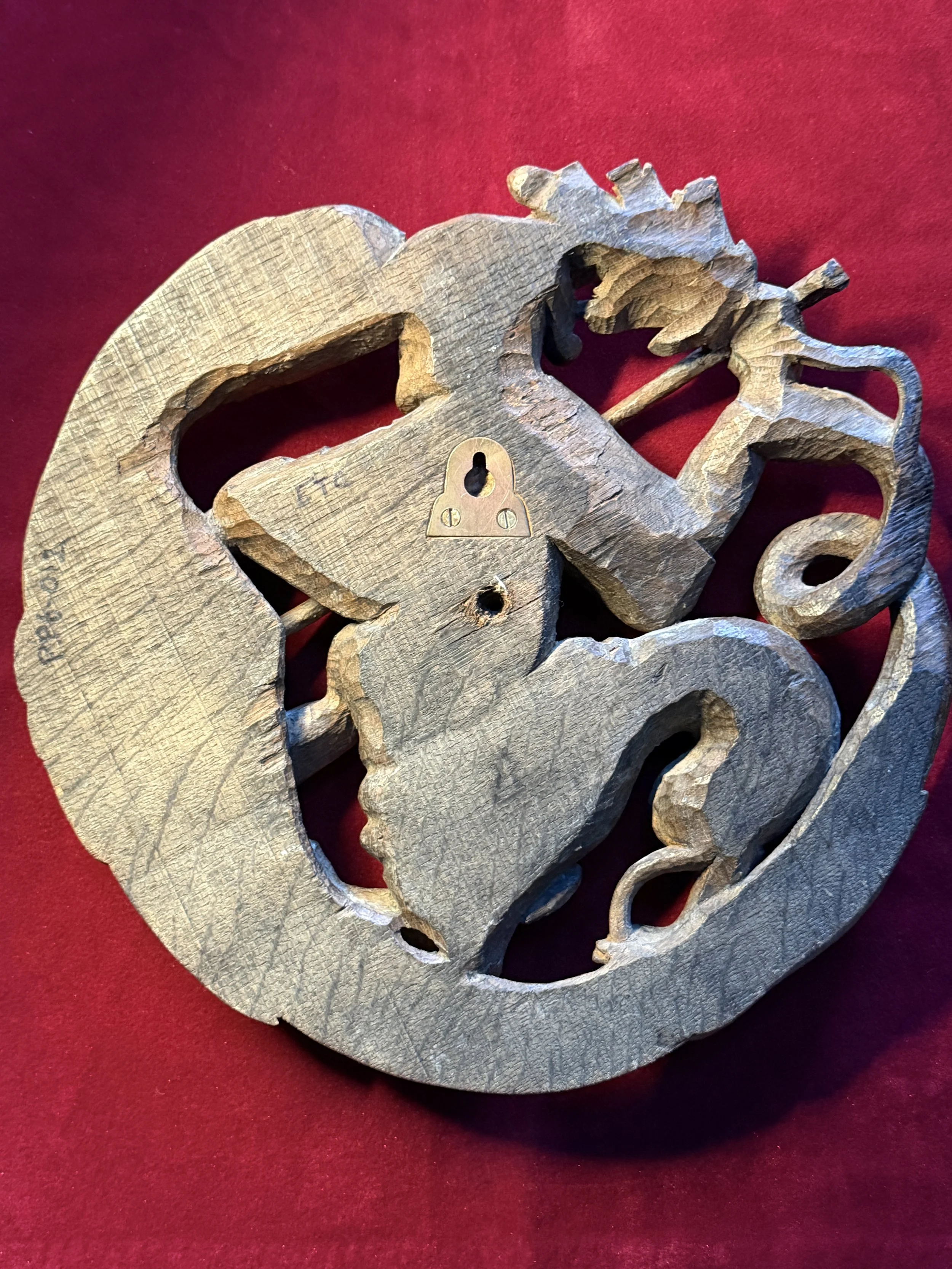 Image 14 of 16
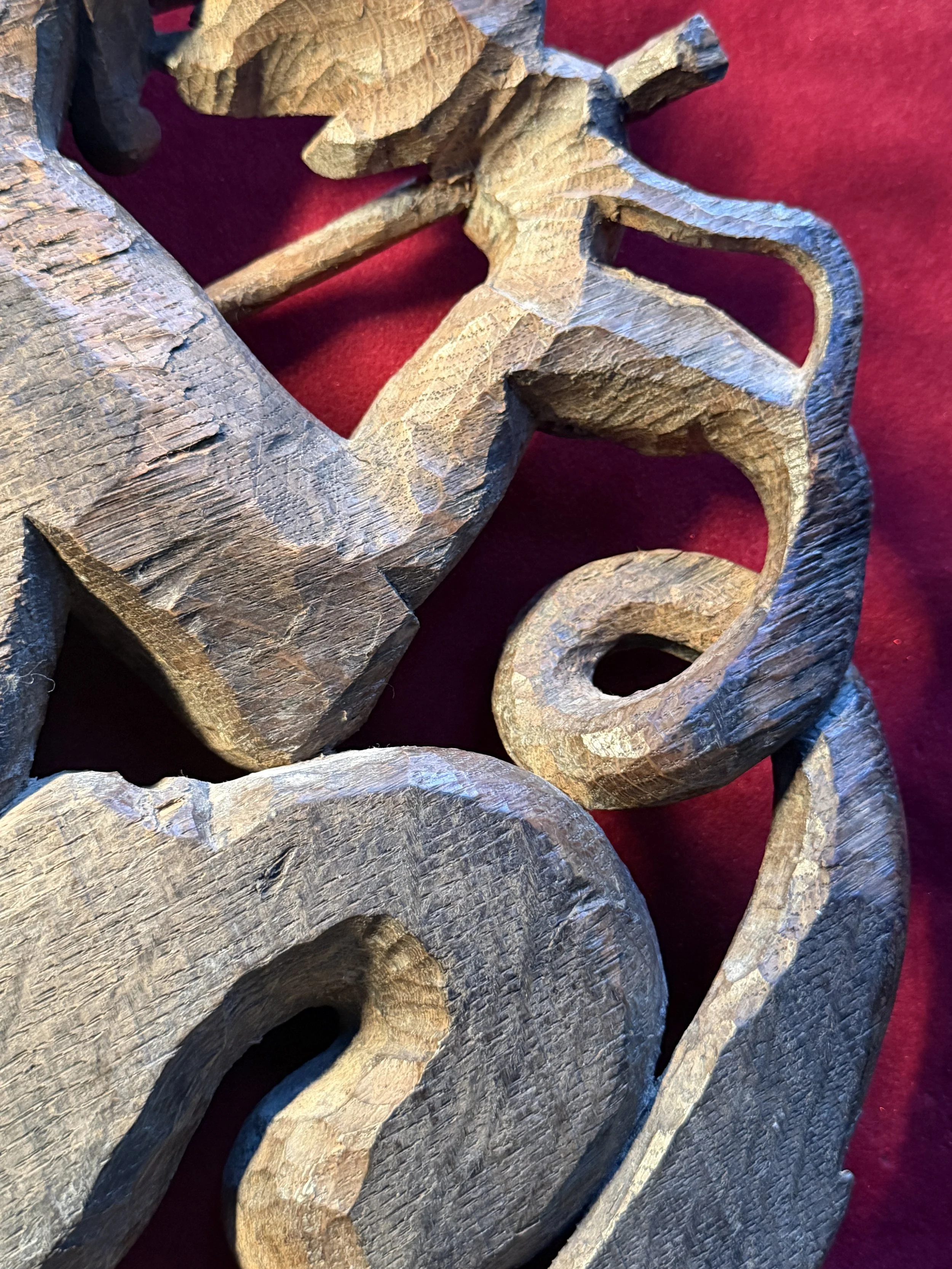 Image 15 of 16
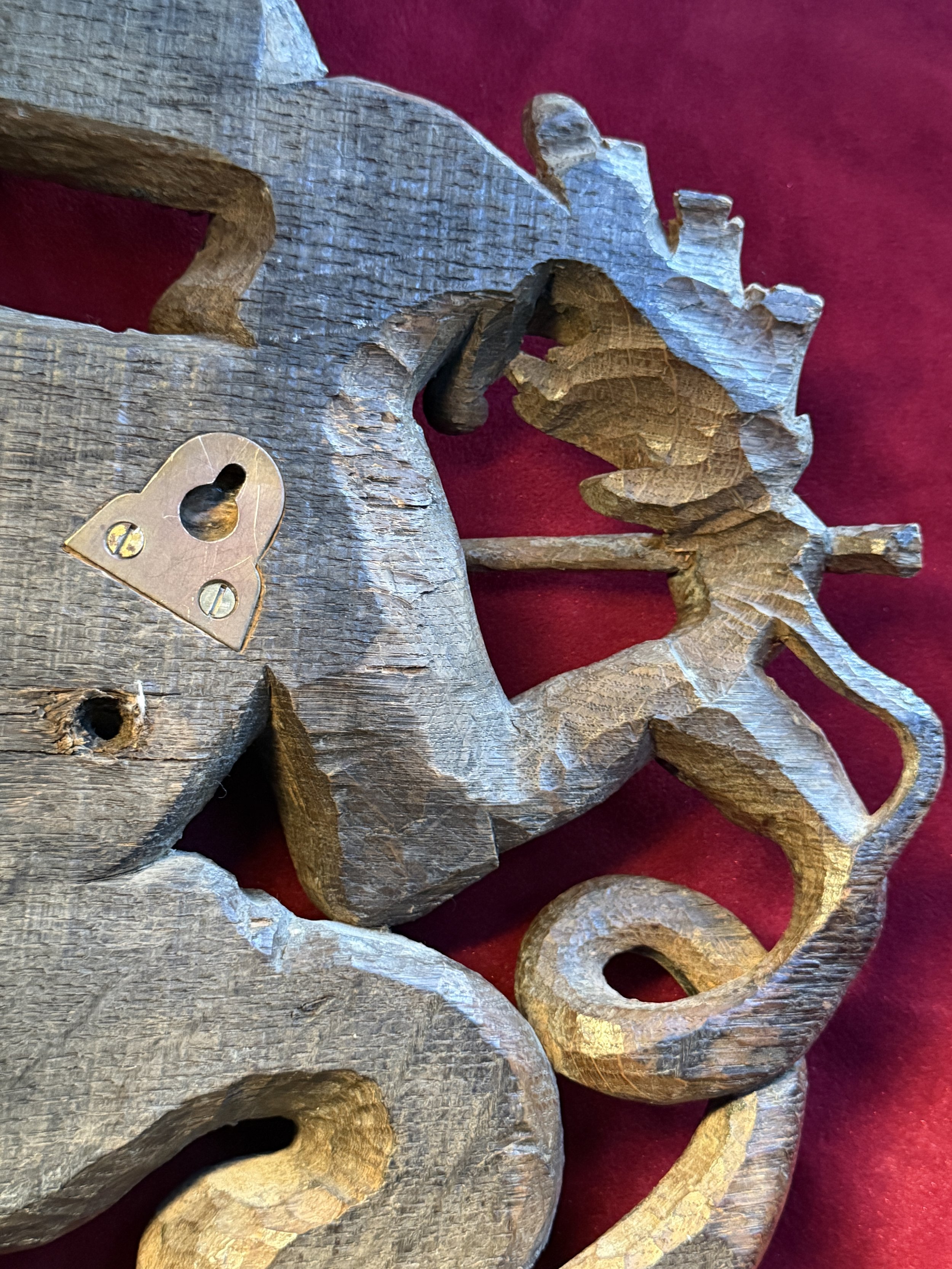 Image 16 of 16
SHIPPING:
Purchase price does not include shipping. All items are shipped fully insured from our London SE18 address. Or collection is possible most days by appointment.
We will package small to medium items for shipping, or box or wrap larger items sent by courier, at no charge. If a larger item requires to be sent in a crate that will be part of the shipping cost.
Customer to pay for shipping / courier & insurance after purchase - cost depends on item and destination.
The customer will also have to pay any import taxes & duties directly to the authority depending on the destination countries policy.
Small to medium items that aren't fragile can be sent via Fedex to UK, EU and Rest of World. We would recommend sending any larger fragile or large items by courier vans to UK addresses. We have also used reliable and affordable couriers for such items to West & Central EU. Large and fragile items can also be sent crated via shipping companies.
We can offer advice and a close estimated quote in advance of purchase, and advise on the most cost effective but safe options..
We can also advise on import VAT charges to the EU (antiques and works of art over 100 years old are charged at a lower % tax to EU countries, usually around 5.5%).
As of late 2025 the USA now charges a 10% tarif, despite antiques of over 100 years old having zero tarif-line duty. Tarifs will also vary depending on an items country of manufacture. There may also be a US customs processing & clearance fee. We will work with you to provide the correct commodity code and paperwork to minimise any such tarif/fees as much as possible.
Most items are antique and fragile and some wear should be expected. Condition will be accurately reported in item descriptions
Items are honestly & accurately described with clear photos. All sales are final, with no returns (unless misrepresented in the listing - any issues to be confirmed within one week of delivery).
Please email with any questions.